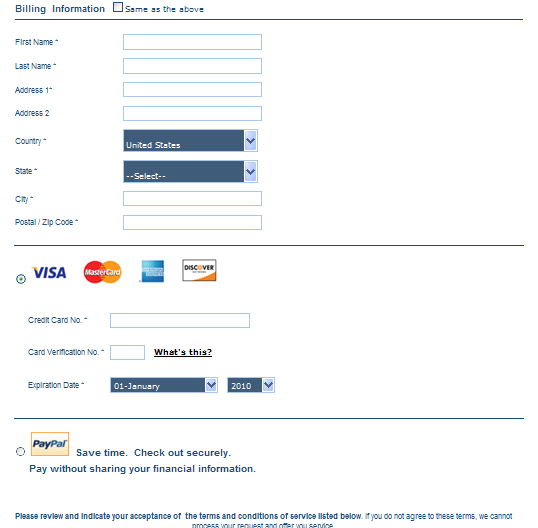
Setting up the right payment gateway is crucial for your business success.
Comprehensive Guide To Payment Gateway Setup
Setting up a payment gateway can be daunting. This guide provides US merchants with all the information required for successful integration.
1500+
Merchants Served
50%
Increase in Transactions
24/7
Customer Support
30+
Payment Methods
Understanding Payment Gateways
The primary role of a payment gateway is to facilitate the transaction between the merchant and the customer’s bank. It encrypts sensitive card details, ensuring secure data transmission, thus, building trust between your business and your customers.
Steps To Setting Up A Payment Gateway
Once your application is approved, you can begin the payment gateway setup. Here are the essential steps:
- Choose a Payment Gateway Provider: Select a provider that aligns with your business needs, such as Stripe, Square, or PayPal.
- Get Approved: Submit your business details to get approval and discuss the specifics of working with a high-risk merchant.
- Obtain API Credentials: After approval, you’ll receive API keys and credentials which are essential for gateway integration.
- Implement the Payment Gateway: Follow the provider’s documentation to properly integrate the payment gateway into your website.
Configuring API Credentials and Transaction Key
Login to your payment gateway account to find your API credentials. This will typically include:
- API Key
- Secret Key
- Transaction Key
Ensure that these credentials are kept confidential to prevent unauthorized transactions.
Utilizing Webhooks
Webhooks are an essential feature for real-time updates on transactions. They notify your application when an event occurs in the payment gateway, such as payment confirmation or failure. Set up webhooks by providing the designated URL from your application to the payment gateway’s dashboard.
Implementing AVS and CVV Checks
Address Verification Service (AVS) and Card Verification Value (CVV) are security measures that help protect against fraudulent transactions. Ensure your payment gateway implementation includes these checks for enhanced security.
Testing Transactions
Before going live, conduct several test transactions using sandbox accounts provided by your payment gateway provider. This allows you to verify that everything is working smoothly.
Connecting the Platform
Ensure that your eCommerce platform is compatible with your chosen payment gateway. Most popular platforms such as Shopify, WooCommerce, and Magento have built-in support for leading payment gateways.
Why Choose High Wire Payments?
At High Wire Payments, we specialize in payment solutions tailored to high-risk industries, including CBD, kava, and kratom. Our dedicated team supports you throughout the integration process and ensures compliance with regulatory standards.
Payment Gateway FAQs
Your questions answered.
What is a payment gateway?
A payment gateway is a technology that facilitates online transactions by securely transmitting payment information between customers and merchants.
How do I set up a payment gateway?
You can set up a payment gateway by applying for an account, obtaining API credentials, and integrating it into your website.
What is AVS and CVV?
AVS (Address Verification Service) and CVV (Card Verification Value) are security features used to verify customer identity during transactions.
Can I integrate multiple payment gateways?
Yes, many businesses choose to integrate multiple payment gateways to provide flexibility and improve conversion rates.
What is a transaction fee?
A transaction fee is a charge applied by payment gateways for processing transactions, usually a percentage of the transaction amount.
Ready To Set Up Your Payment Gateway?
Contact us today and start accepting payments securely!