Understanding Payment Tokenization and Its Benefits
Payment tokenization is an important security measure for businesses, safeguarding sensitive information while enhancing customer experiences.
100%
Data Security
24/7
Support Availability
300+
Clients Served
10+
Years of Experience
What Is Payment Tokenization?
Payment tokenization is a process that replaces sensitive payment details with unique tokens. These tokens can be used for transactions without exposing cardholder data, thereby enhancing security and privacy. Tokenization ensures that sensitive information, such as credit card numbers, is never stored in systems that may be vulnerable to breaches.
How Does Payment Tokenization Work?
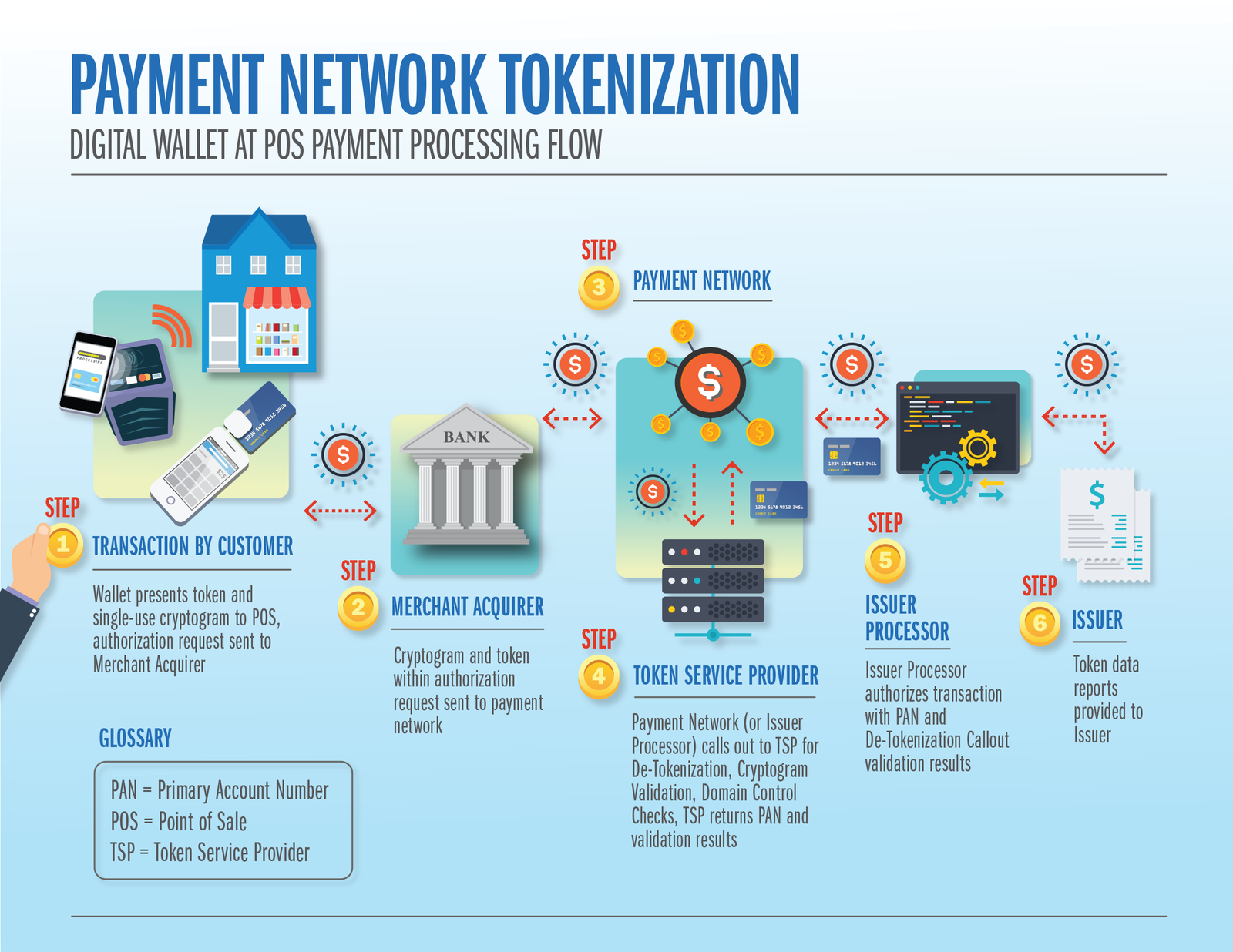
The process begins when a customer enters their payment information at a point of sale or during an online transaction. This information is sent to the payment processor, which generates a unique token for that transaction. The actual credit card information is stored securely in a tokenization vault, while the token is used for processing the payment. This means that the merchant never sees the customer’s card details, creating a secure environment for transactions.
Benefits of Payment Tokenization
There are several benefits to implementing payment tokenization:
- Enhanced Security: By replacing sensitive data with tokens, the risk of data breaches is significantly reduced.
- Compliance with Regulations: Tokenization helps businesses comply with regulations such as PCI-DSS, ensuring that customer data is handled securely.
- Improved Customer Trust: Customers are more likely to trust businesses that prioritize their data security, leading to increased loyalty.
Vaulting in Payment Tokenization
The secure storage of sensitive information in a tokenization vault is known as vaulting. Vaults are designed to securely store and manage payment data, which is crucial for minimizing the risk of fraud. Only authorized payment processors can access sensitive data, making it almost impossible for unauthorized parties to obtain cardholder information.
Understanding Network Tokens
Network tokens are a form of tokenization that involve working directly with card networks such as Visa and Mastercard. These tokens can be used for recurring billing and one-click payments, enriching customer experience while maintaining security. Network tokens provide an additional layer of security by creating unique identifiers for customer transactions, further protecting against fraud.
Using Customer Vaults for Recurring Billing
Customer vaults allow merchants to securely store customer payment details for future transactions, streamlining the process for recurring billing. By using customer vaults, businesses can easily charge customers without needing to collect card information with each transaction. This helps to improve customer retention and resolve payment issues quickly.
Fraud Prevention with Payment Tokenization
Fraud prevention is a key element of payment tokenization. By utilizing tokenization, businesses are able to protect both themselves and their customers from fraudulent activities. The use of unique tokens means that even if transaction data is intercepted, the information is useless without direct access to the tokenization vault.
Implementation Best Practices
When implementing payment tokenization, consider these best practices:
- Choose a Reliable Provider: Partner with a payment processor that specializes in payment tokenization to ensure your customers’ data is handled securely.
- Integrate Securely: Ensure that your systems are integrated securely with your payment processor’s tokenization platform.
- Educate Your Team: Train your staff on the importance of data security and how to handle tokenized data appropriately.
- Regularly Review Processes: Continually assess your payment processes and make improvements as technology evolves.
Conclusion
Payment tokenization is transforming how businesses handle sensitive information while ensuring customer security. As technology advances, utilizing robust security measures like tokenization will be essential in maintaining trust and compliance in payment processing.
Further Reading
Explore our service offerings at High Wire Payments.
Why Trust High Wire Payments?
Discover the benefits of partnering with us.
Comprehensive Solutions
We provide solutions tailored for high-risk industries.
Expert Support
Our team is available to assist you 24/7.
Advanced Security Protocols
We implement top-tier security measures.
Reliable Transaction Processing
Fast and secure transactions for your business.
Transparent Fees
No hidden charges, just straightforward pricing.
Adaptable Solutions
Solutions that grow with your business.
What types of businesses benefit from payment tokenization?
Payment tokenization is beneficial for any business that processes sensitive payment information, particularly in industries deemed high-risk.
How do I implement payment tokenization?
Implementing payment tokenization involves selecting a payment processor specializing in tokenization, ensuring secure integration, and training your staff to handle tokenized data properly.
Is tokenization the same as encryption?
No, tokenization replaces sensitive data with non-sensitive tokens, while encryption scrambles data to prevent unauthorized access.
What are the costs associated with tokenization?
The costs of implementation can vary based on the provider and the complexity of integration, but many processors offer competitive pricing with no hidden fees.
Can tokenization help with PCI compliance?
Yes, by minimizing the storage of sensitive payment information, tokenization can greatly facilitate PCI compliance for businesses.
What happens if my tokenization system fails?
In the event of a system failure, merchants are advised to have backup processes in place and should work closely with their payment processor to ensure a quick resolution and minimal customer disruption.
Ready to Secure Your Payments?
Discover how we can help you implement payment tokenization solutions tailored to your business needs.
Apply Now →