Understand EINs, LLCs, compliance, and banking needs to get started.
Understanding Merchant Account Requirements for Your Business
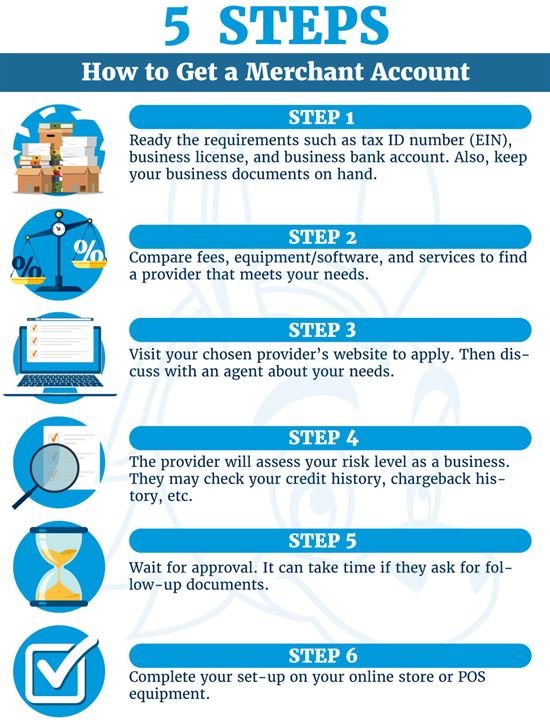
As a business owner, securing a merchant account can be essential for processing payments efficiently. This guide will explore what you need to know about merchant account requirements, including EIN, business structure, banking prerequisites, and compliance.
10,000+
Merchant Accounts Enabled
98%
Approval Rating
24/7
Customer Support
30+
Supported Industries
When applying for a merchant account, various factors influence what documents and information you will need to provide. Here’s a comprehensive overview of merchant account requirements, including specific details you should be aware of:
1. Understanding EINs (Employer Identification Numbers)
An EIN is a unique identifier for your business, similar to a social security number for individuals. Most banks and merchant services companies require this number during the application process. If you’re applying as a sole proprietor, you can often use your social security number instead. However, obtaining an EIN can provide additional benefits, including:
- Availability of business credit.
- Preventing tax fraud.
- Separation of personal and business finances.
2. Business Structures: LLCs, Corporations, and Sole Proprietorships
Your business structure will dictate specific requirements for your merchant account application. Here’s a closer look at the main structures:
A. Limited Liability Companies (LLCs)
LLCs offer personal liability protection and are recognized as separate entities from their owners. Requirements for LLCs often include:
- Articles of Organization.
- Operating Agreement.
B. Corporations
Corporations are more complex and generally involve stricter regulations. If you’re applying as a corporation, you will typically need:
- Articles of Incorporation.
- Corporate bylaws.
- Board of directors’ names.
C. Sole Proprietorships
Sole proprietorships are simpler and require less documentation, but you can still face challenges with payment processing. Documents may include:
- Trade name registration (DBA).
- Proof of identity.
3. Bank Requirements for Merchant Accounts
When applying for a merchant account, banks will evaluate various factors. This typically includes:
- Your credit history.
- Payouts and transaction volume expectation.
- Type of goods or services you sell.
High-risk industries may be scrutinized more closely due to increased fraud risks.
4. Underwriting Processes
Underwriting involves assessing your application to determine risk levels associated with your business. This can include:
- A review of your financial statements.
- A look at your business’s transaction history.
5. Documentation Needed for Application
Various documents are required when applying for a merchant account, including:
- Personal identification (e.g., driver’s license).
- Employer Identification Number (EIN) or Social Security Number.
- Business licensing information.
- Bank statements to prove your business’s financial health.
6. Online Presence: Websites and Merchant Accounts
If you operate online, your website is often part of the merchant account requirements. This means you need:
- Secure website (SSL certificate).
- Contact details and business information on your website.
- Clear return and refund policy.
7. Compliance with Regulatory Standards
Lastly, your application must comply with financial regulations, which may include:
- PCI-DSS compliance for handling credit card transactions.
- Adherence to local and federal business regulations.
Contact us now to learn how High Wire Payments can assist you with your merchant account requirements.
Common Questions About Merchant Account Requirements
Here are some frequently asked questions regarding merchant account requirements.
What do I do if my application is denied?
Understand the reasons for denial and take the necessary steps to correct your application before reapplying.
How long does account approval take?
Approval can typically take from a few days to a week, depending on documentation completeness.
Can I change my payment processor later?
Yes, but be aware that changing processors may involve additional fees and documentation requirements.
Is there an application fee?
It depends on the service provider; ensure to check their policies regarding fees.
What payment methods can I accept?
Most providers allow you to accept credit/debit cards, but check for other options as needed.
What if I need more information?
Contact us or check your provider’s website for detailed information on requirements.
Ready To Get Started?
Don’t hesitate to reach out and discover how High Wire Payments can make your payment processing easy.